
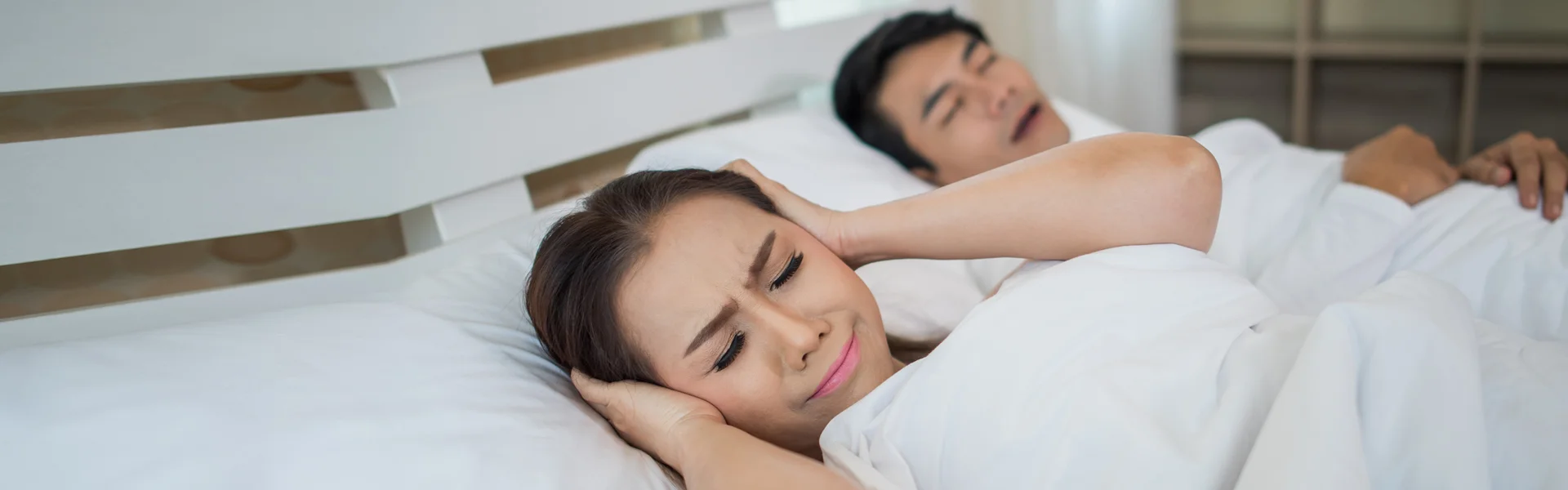
Snoring Every Night? Signs You Shouldn’t Ignore
Has your partner noticed loud snoring or pauses in your breathing? You might wake up with a dry mouth and still feel tired after a full night’s sleep. Before seeking sleep apnea treatment in Trafalgar, find out whether nighttime breathing interruptions are affecting your rest.
Is Snoring Every Night Normal?
An occasional snore after a stuffy nose or when you sleep on your back isn’t unusual.
Chronic snoring deserves attention if you notice pauses, gasping, or repeated awakenings. These can signal obstructive sleep apnea (OSA), a condition in which the upper airway repeatedly narrows or closes. Snoring by itself doesn’t establish a diagnosis.
Common Signs That Snoring May Be Linked to Sleep Apnea
You may sleep through breathing interruptions without remembering them.
Watch for:
- Loud snoring most nights
- Pauses in breathing witnessed by another person
- Gasping or choking during sleep
- Morning headaches or dry mouth
- Daytime sleepiness and difficulty focusing
- Repeated awakenings or poor-quality sleep
These signs warrant medical attention, particularly when several occur together. Feeling drowsy behind the wheel? Find a safe place to stop and talk to your doctor about what’s causing it.
What Causes Chronic Snoring and Sleep-Disordered Breathing?
During sleep, throat muscles relax. A narrowed airway can make nearby tissue vibrate; in OSA, airflow may repeatedly become blocked.
Nasal congestion, excess weight, certain jaw or airway features, and alcohol before bedtime can contribute. Yet neither body size nor facial appearance can confirm or rule out the condition.
How Is Sleep Apnea Diagnosed and Screened?
A sleep apnea screening starts with questions about snoring, breathing pauses, daytime tiredness, and medical history. Your clinician may recommend a home sleep apnea test or a sleep center study.
Sleep testing records breathing patterns and other measures, such as oxygen levels, to help assess whether OSA is present and how severe it is. A qualified medical professional reviews the results and makes the diagnosis. A questionnaire or dental examination alone isn’t enough.
How Can a Dentist Help With Sleep Apnea?
A dentist may notice tooth wear or scalloped edges along the tongue and ask more closely about sleep symptoms. These findings cannot establish OSA.
If a physician diagnoses the condition and recommends oral appliance therapy, a trained dentist can examine your teeth, gums, bite, and jaw joints. The dentist fits and adjusts the device, then checks for discomfort and changes in tooth position.
What Is a Sleep Apnea Mouthguard and How Does It Work?
A sleep apnea mouthguard is a custom mandibular advancement device, not a sports guard. It holds your lower jaw forward to help keep the airway open during sleep. Some adults choose this treatment because they find CPAP uncomfortable. However, CPAP is generally more effective at reducing breathing interruptions, so talk to your doctor about which option suits you.
Jaw soreness or gradual changes in bite alignment are possible. Follow-up sleep testing checks whether the appliance is helping, even if snoring becomes quieter.
When Should You Seek Professional Help for Persistent Snoring?
Talk to a clinician if someone witnesses breathing pauses, or you often wake gasping or feel unusually sleepy during the day.
The practice also welcomes patients from nearby communities, including Morgantown, Nineveh, Bargersville, and Franklin.
When visiting a dentist near Trafalgar, IN, ask whether the office coordinates care with sleep physicians. Patients from Morgantown, Nineveh, Bargersville, and Franklin also visit.
At Indian Creek Family Dentistry, Dr. Allison Stropes, DDS, provides dental care in the Trafalgar area. Speak with your dentist about your symptoms and whether you should see a sleep specialist.
FAQ
No. Snoring alone isn’t diagnostic. Breathing pauses or gasping make medical assessment especially important.
A dentist can spot possible warning signs, but a qualified medical professional must diagnose it.
A properly prescribed appliance may reduce snoring. Quieter snoring does not prove OSA is controlled.
Untreated OSA is associated with daytime sleepiness, high blood pressure, and cardiovascular problems.
CPAP usually reduces breathing interruptions more effectively. An oral appliance may suit selected adults after medical evaluation.
©2026 Indian Creek Family Dentistry | Privacy Policy | Web Design, Digital Marketing & SEO By Adit